Story 01 — Swords
Why Is the Japanese Sword Beautiful?
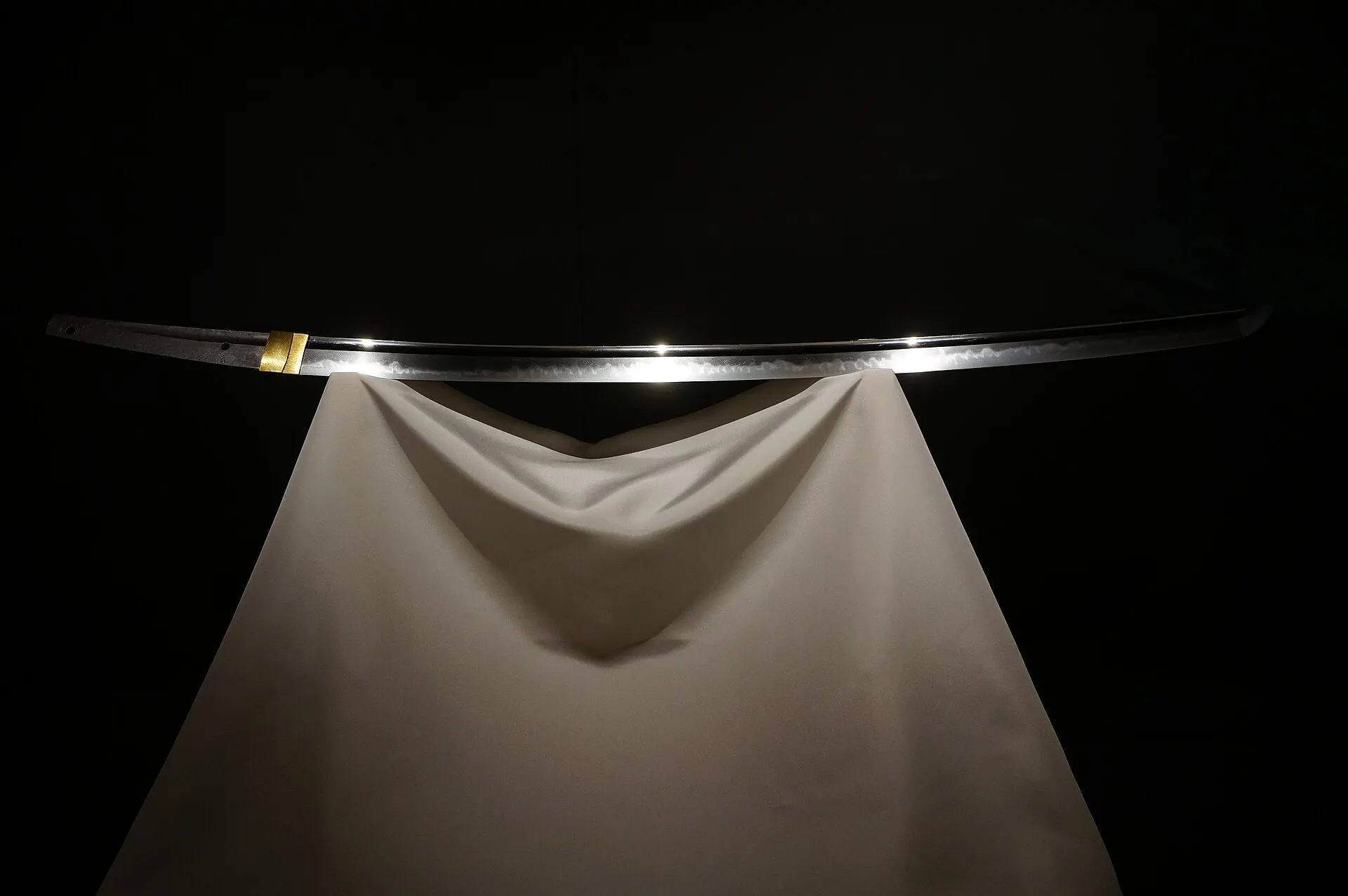
A single curved length of steel, its surface carrying a landscape left by the quench — the hamon. How did a weapon become an object of contemplation? We read the answer in three National Treasures.
“Japanese sword” is the collective name for blades made by Japan's own smithing methods. In the narrower sense it means the curved blade that appeared at the end of the Heian period and became the mainstream thereafter. By length, swords are divided into tachi and uchigatana, wakizashi, and tantō.
Choosing the steel
The material is tamahagane, steel made in the Japanese tradition. Of the steel smelted directly in the tatara furnace, pieces of the right hardness have long been regarded as indispensable for the finest blades.
The line drawn by the quench
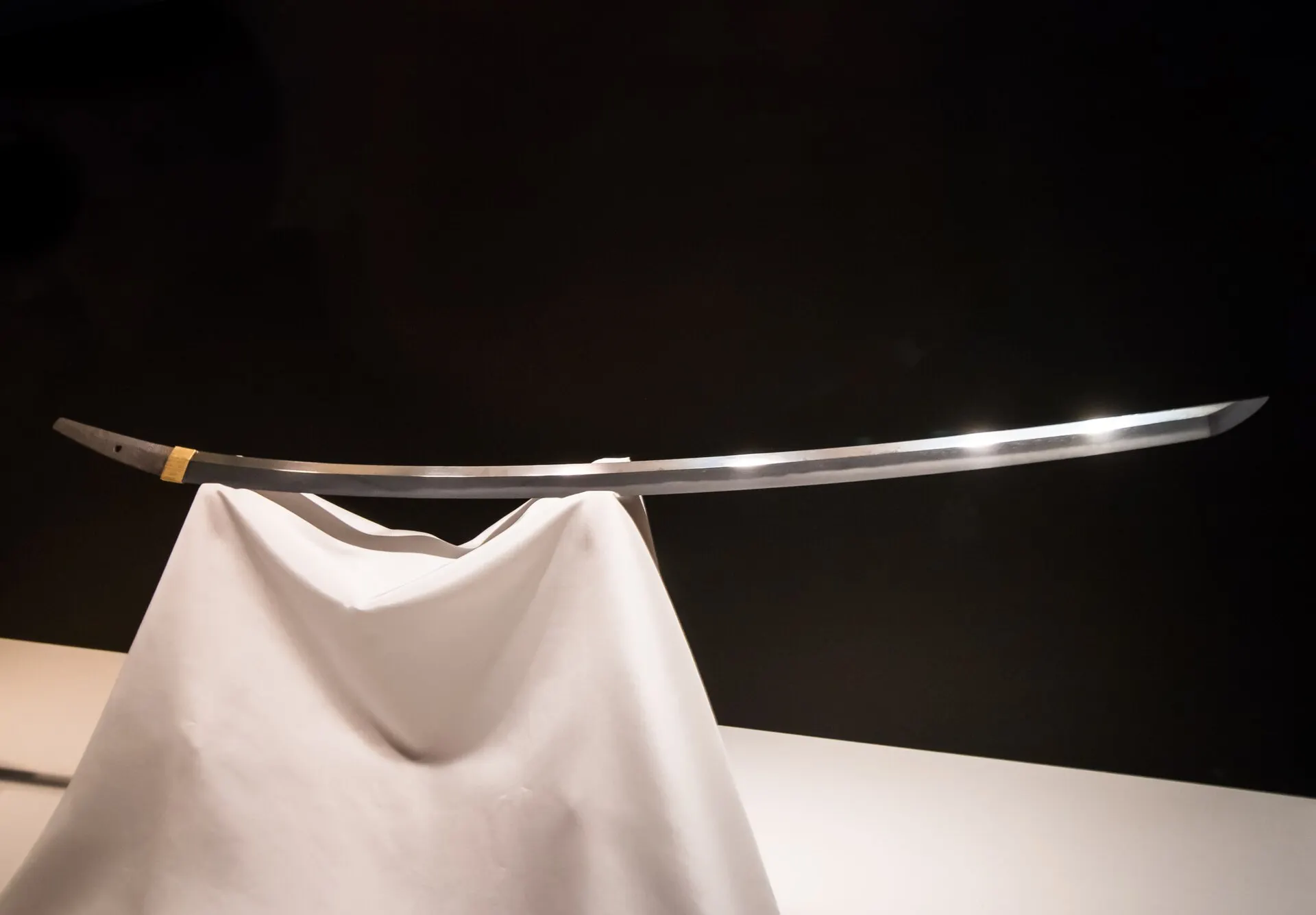
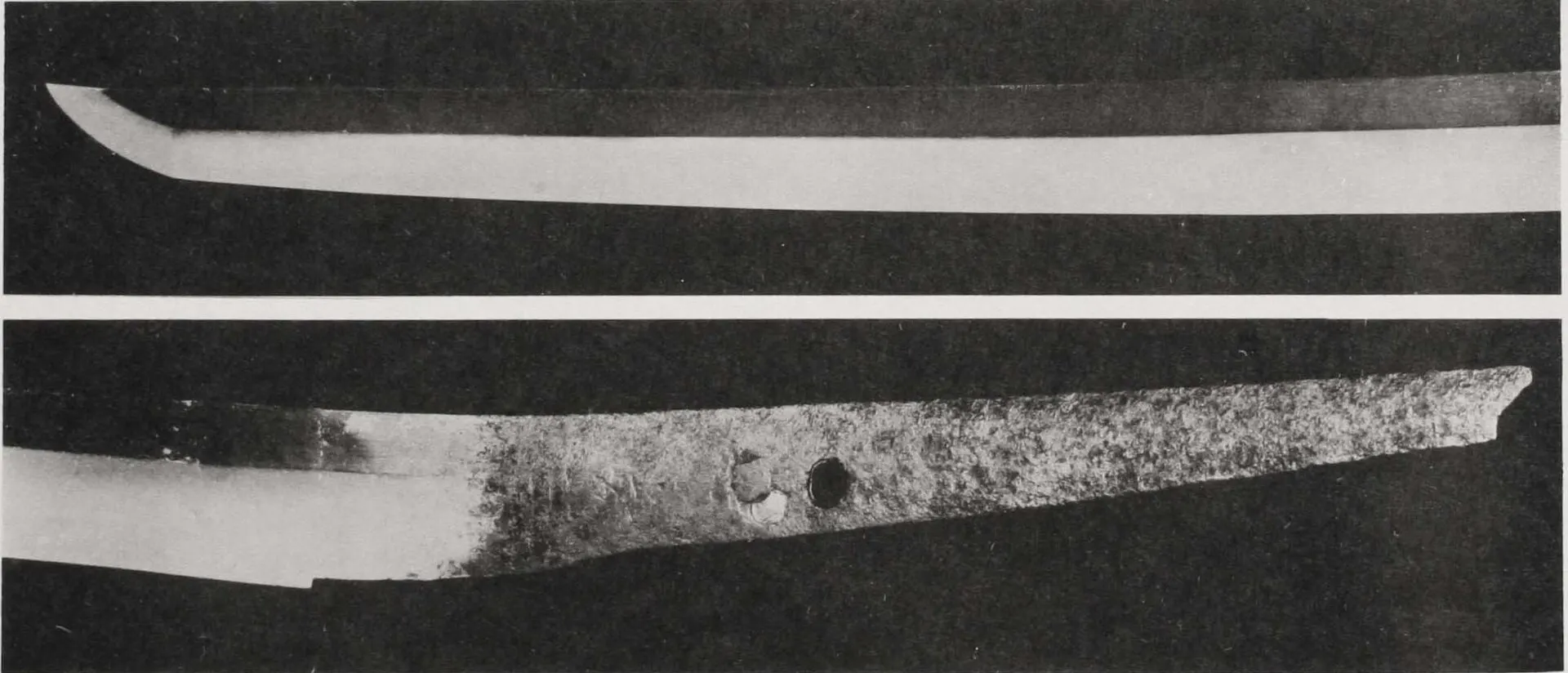
The hamon is the pattern visible along the blade, and one of the chief things a connoisseur looks for. It is the outline of the hardened zone created in quenching: a hard edge and a comparatively softer spine, their boundary surfacing as a single line.
Before it is a weapon, it is a landscape in steel.
Five Swords Under Heaven
Dōjigiri Yasutsuna and Mikazuki Munechika are both counted among the Five Swords Under Heaven; Mikazuki is said to be especially beautiful, while Dōjigiri is paired with Ō-Kanehira as the two yokozuna of the Japanese sword. All three are National Treasures in the Tokyo National Museum.
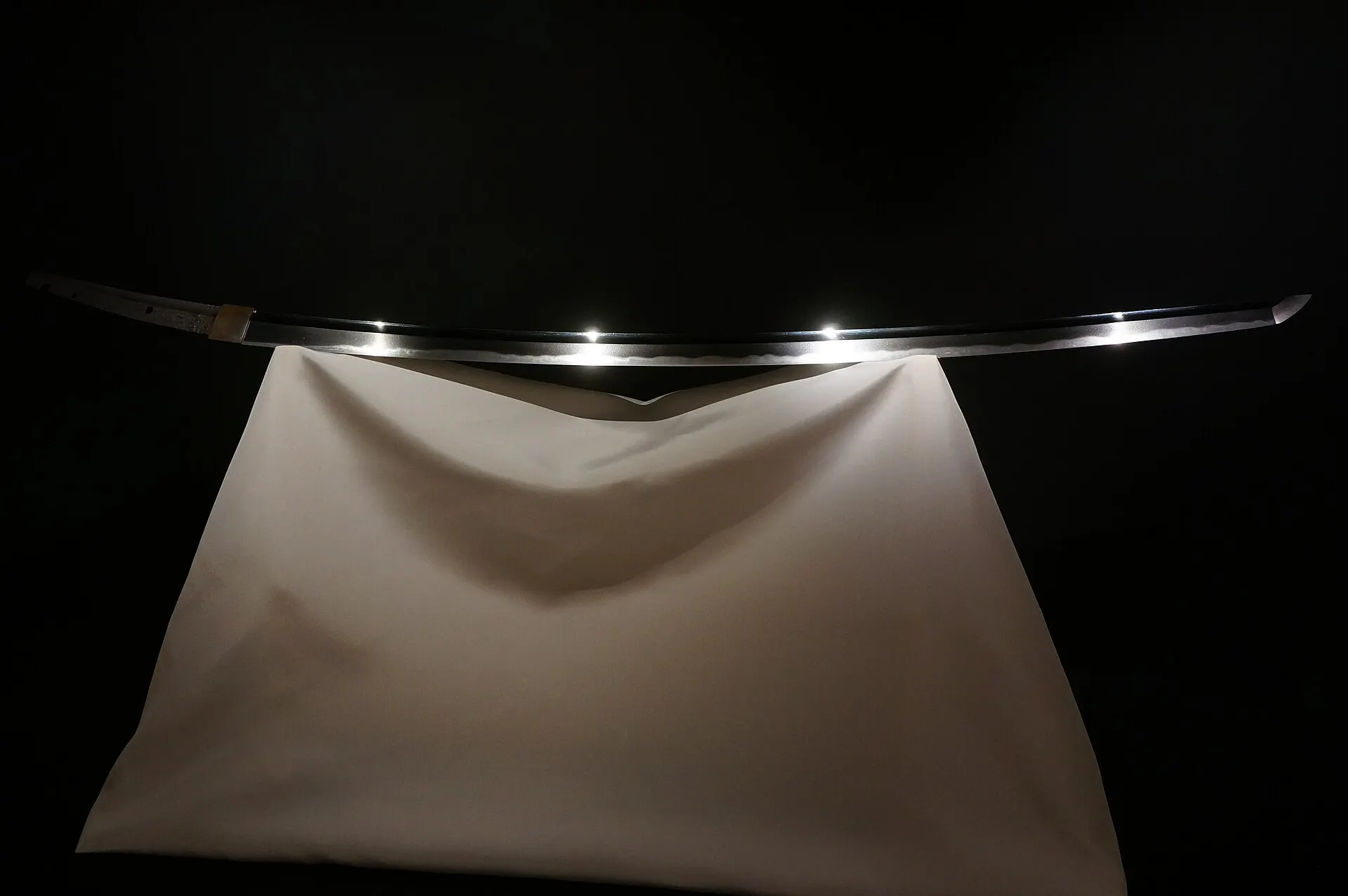
No single reason explains the beauty. But chosen steel and the single line left by the quench — layered together, they have made a blade worth looking at for a thousand years.
Objects in this story
Sources & references
- [1]童子切
文化庁 国指定文化財等データベース · Government · Supports: Designation
- [2]太刀 銘三条(名物三日月宗近)附 糸巻太刀拵鞘
文化庁 国指定文化財等データベース · Government · Supports: Designation
- [3]太刀 銘備前国包平作(名物大包平)
文化庁 国指定文化財等データベース · Government · Supports: Designation
- [4]日本刀
Wikipedia(日本語版) · Encyclopedia
- [5]玉鋼
Wikipedia(日本語版) · Encyclopedia
- [6]刃文
Wikipedia(日本語版) · Encyclopedia
- [7]Hamon (swordsmithing)
Wikipedia (English) · Encyclopedia
- [8]童子切
Wikipedia(日本語版) · Encyclopedia
- [9]三日月宗近
Wikipedia(日本語版) · Encyclopedia
- [10]大包平
Wikipedia(日本語版) · Encyclopedia