Story 02 — Lacquer
Urushi: Beauty That Begins with a Single Drop
The sap of the lacquer tree is both a coating and an adhesive. On its black, gold is sprinkled and shell is set. From Heian to Edo, we follow the time of lacquer through three National Treasures.
Urushi is the sap of the lacquer tree, Toxicodendron vernicifluum — a natural resin, rich in urushiol, used as both coating and adhesive. Objects made with it are called lacquerware, and Japan's, prized for their quality, were exported around the world through trade with Europeans from the late medieval period on.
To sprinkle, to inlay
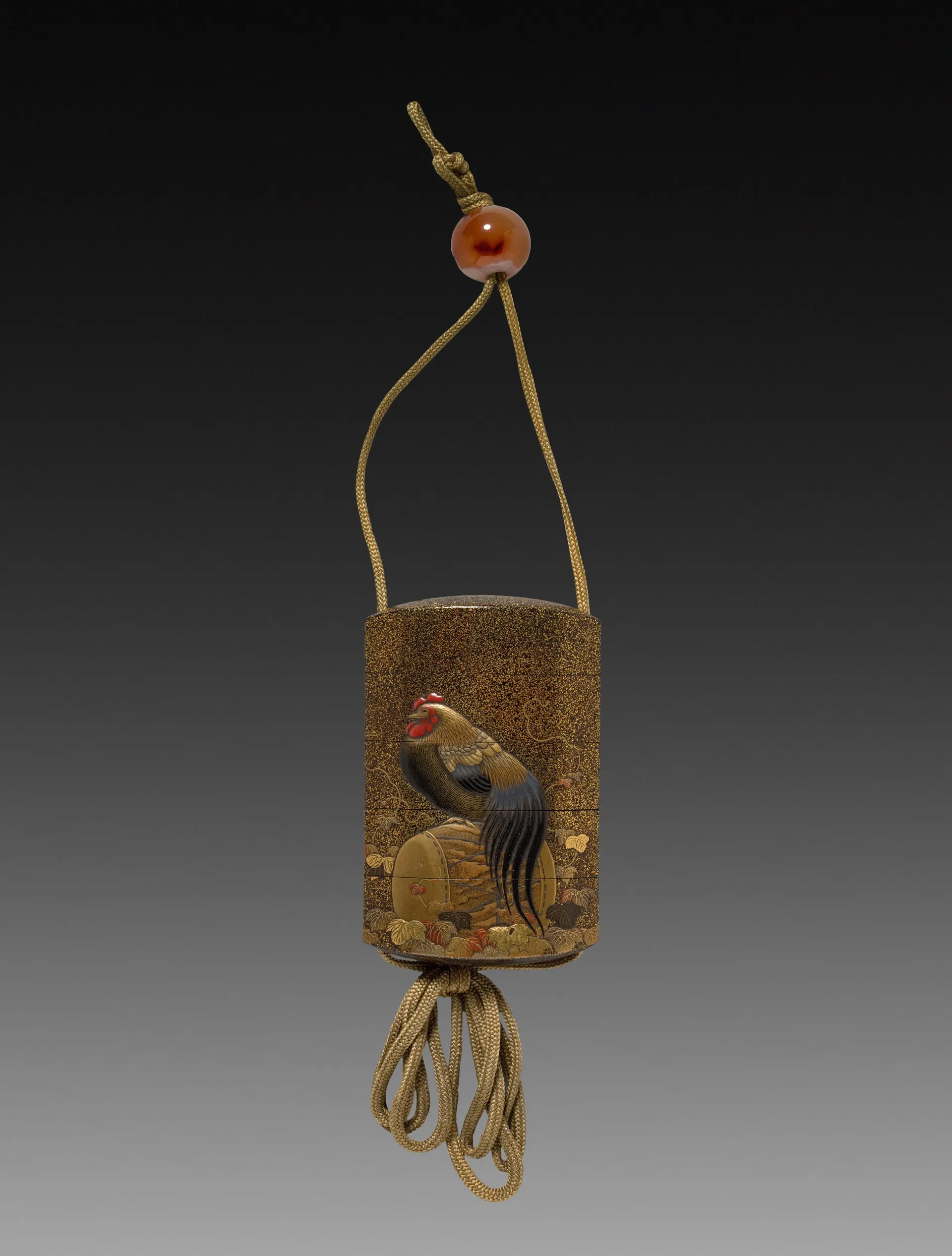
In maki-e, a design is drawn in lacquer and, before it dries, gold or silver powder is “sprinkled” onto it. The word first appears in the Heian period. Together with raden — shell inlay using turban or abalone shell — it became the defining decoration of Japanese lacquer.
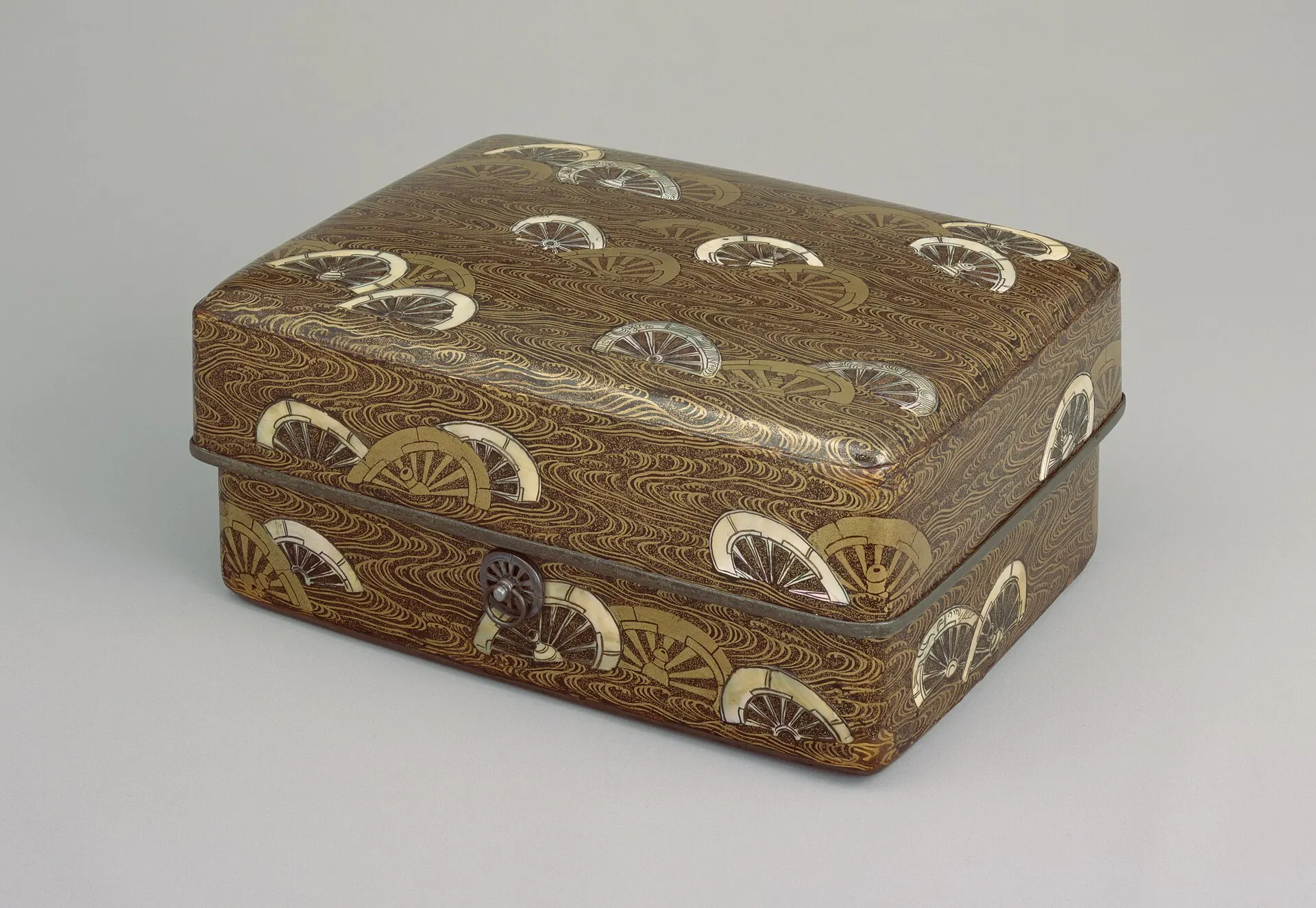
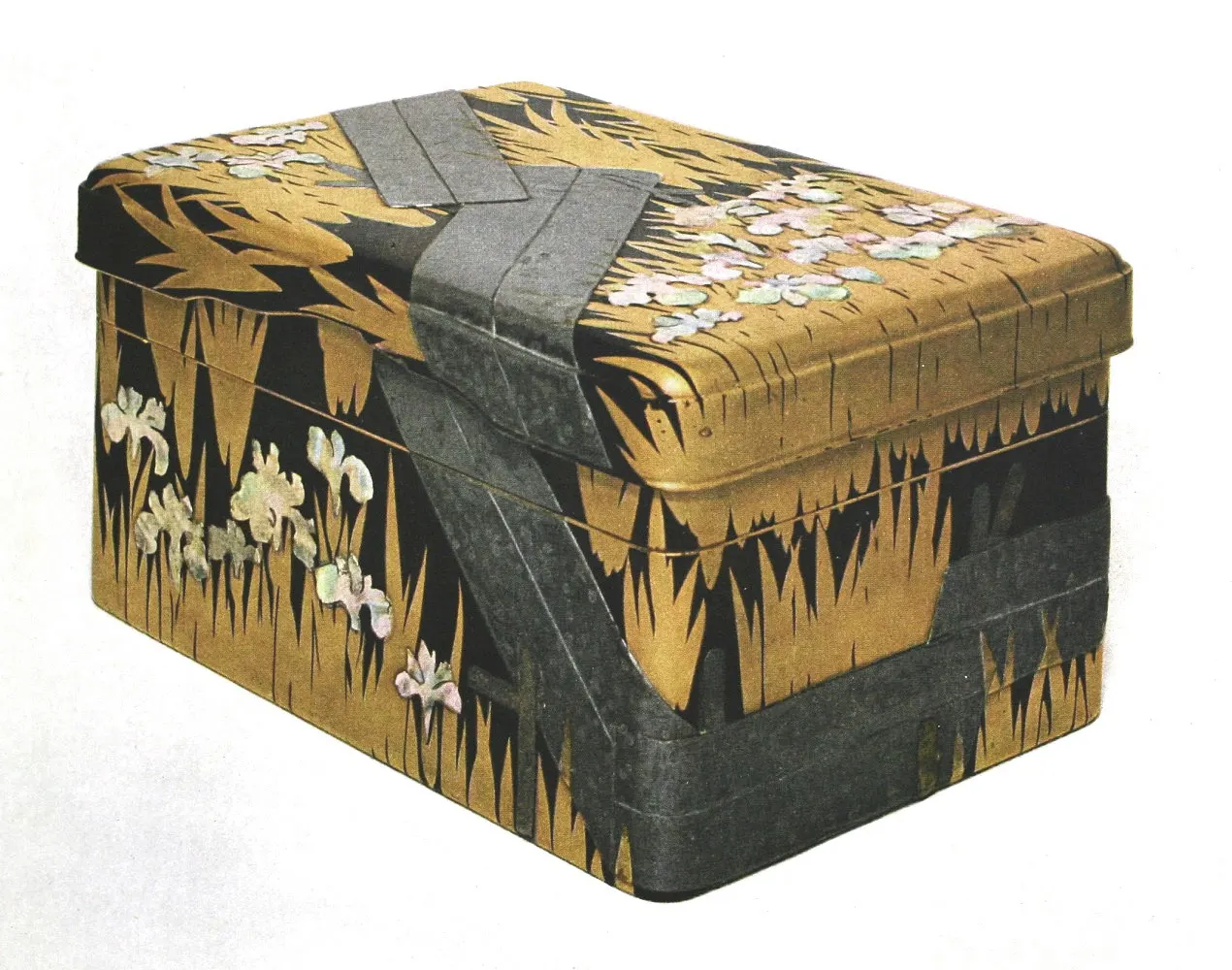
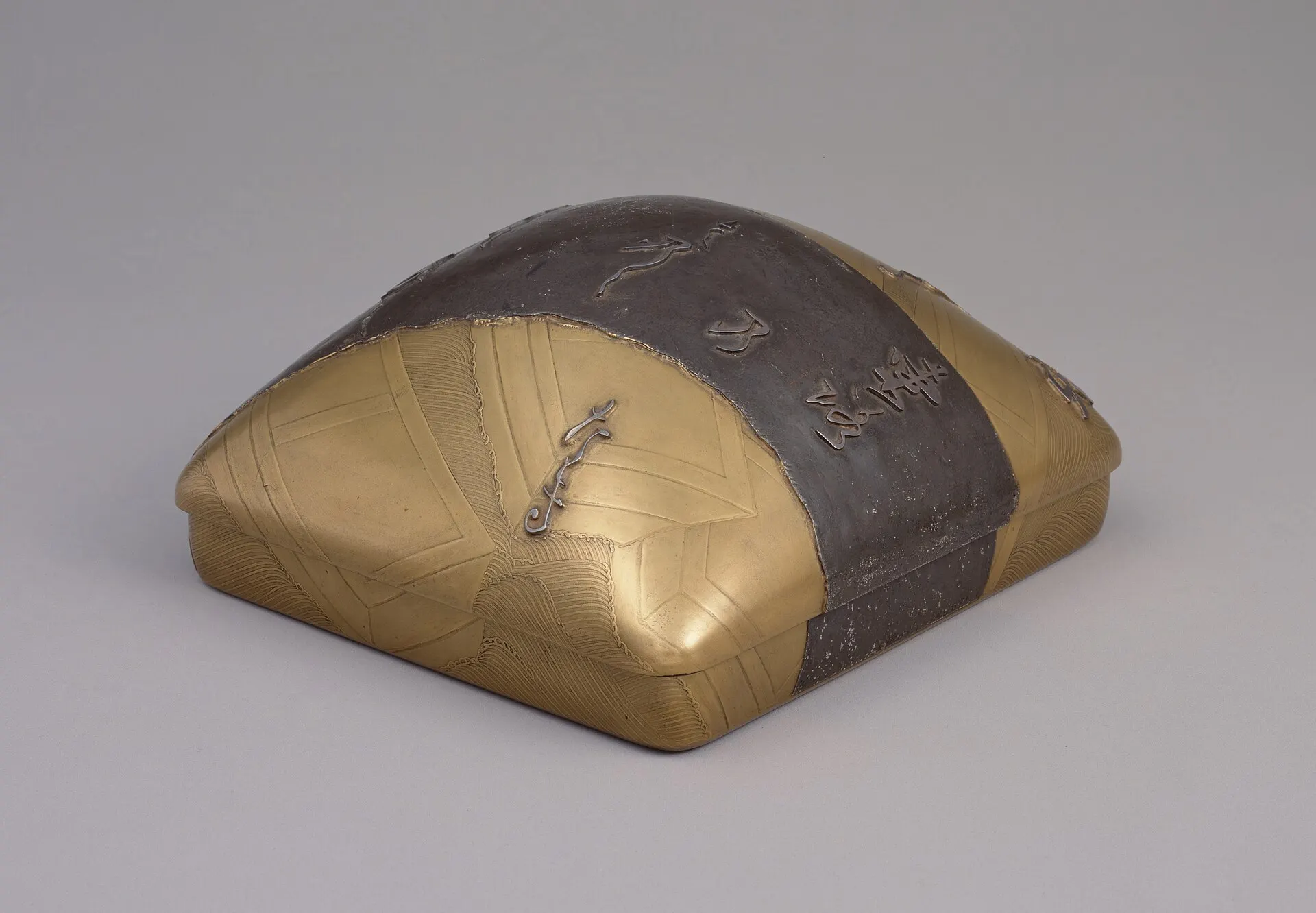
The Heian-period Cosmetic Box with Wheels in Stream renders its design in maki-e and mother-of-pearl. The early Edo Writing Box with Pontoon Bridge, attributed to Hon'ami Kōetsu, adds lead to gold and silver and is regarded as the masterpiece of Kōetsu-style maki-e. Ogata Kōrin's Writing Box with Eight Bridges likewise combines gold, silver, shell and lead to draw irises and a bridge.
Different materials meet within a single black.
All three boxes are National Treasures in the Tokyo National Museum. That work beginning from a drop of sap can keep its light for centuries may be the greatest story urushi has to tell.
Objects in this story
Sources & references
- [1]片輪車螺鈿蒔絵手箱
文化庁 国指定文化財等データベース · Government · Supports: Designation
- [2]舟橋蒔絵硯箱
文化庁 国指定文化財等データベース · Government · Supports: Designation
- [3]八橋蒔絵螺鈿硯箱
文化庁 国指定文化財等データベース · Government · Supports: Designation
- [4]Wikidata Q102389647(素材)
Wikidata · Database · Supports: Material
- [5]漆
Wikipedia(日本語版) · Encyclopedia
- [6]蒔絵
Wikipedia(日本語版) · Encyclopedia
- [7]螺鈿
Wikipedia(日本語版) · Encyclopedia
- [8]Maki-e
Wikipedia (English) · Encyclopedia
- [9]Japanese lacquerware
Wikipedia (English) · Encyclopedia
- [10]舟橋蒔絵硯箱
Wikipedia(日本語版) · Encyclopedia